Home Blog Page 55

Charles Barkley to Sell 1996 Olympic Basketball Gold Medal for Charity

1
Charles Barkley to Sell 1996 Olympic Basketball Gold Medal for Charity
Courtesy photo

By Duncan Mackay |

Charles Barkley, one of the most recognizable names in basketball, has announced he plans to sell the Olympic gold medal he won at Atlanta 1996 as part of a major sale of memorabilia from his career to help pay for new houses for the disadvantaged in the town of Leeds, Ala., where he grew up.

But the American revealed he will not be selling the gold medal he won at the 1992 Olympic Games in Barcelona as part of the revered United States “Dream Team” because his daughter asked him not to.

“Because of how sentimental it is for the world,” Barkley, who is now 57 and a television analyst, said during a radio interview in Alabama. 

“But all of that other stuff, man, is just an eyesore.

“I don’t think I have to walk around with my gold medal or my MVP (most valuable player) trophy for people to know I’m Charles Barkley, so I’m going to sell all that crap.

“That just clutters my house. 

“I used to keep it at my grandmother’s house, but they all passed away, and I don’t want that stuff crapping up my house.”

Barkley claimed that he has been told by one expert that the MVP trophy he won during the 1993 National Basketball Association season when, playing for the Phoenix Suns, he averaged 25.6 points on .520 shooting, 12.2 rebounds and a career high 5.1 assists per game as they reached finals, could fetch between $300,000 and $400,000.

He did not reveal how much he had been advised the Olympic gold medal, won by the US when they beat the FR Yugoslavia 95-69 in the final, could fetch. 

In 1992, Barkley led the “Dream Team” in scoring 18 points per game on 71 percent shooting, despite starting just half of the eight games. 

A US flag signed by the original Dream Team at Barcelona 1992 is also among the items that Barkley plans to auction. 

Barkley promised during one interview that all the money he raised from the sale of the items would be used to build new houses in Leeds in Alabama. 

Barkley claimed he was the first black baby born in a segregated town hospital in Leeds and was among the first black students at his elementary school. 

“We probably got 30 eyesores, as I call them, where houses used to be when I was growing up,” he said during an interview. 

“Either a rotted-out house or there’s just weeds that have overgrown.

“So, what I’m trying to do – I want to work with the city of Leeds, I want them to give me the spaces, number one. 

“I want them to give me the houses, and I’m going to use my own money selling my memorabilia.

“I want to do something really nice for Leeds. 

“And if I could build 10 to 20 affordable houses – I want to do green housing too [and] if I could sell all that stuff, it would just be a really cool thing for me.”

Earlier this month, an Olympic gold medal won by the US basketball captain Bill Wheatley at Berlin in 1936 was put up for auction.

The medal has been placed with Heritage Auctions’ Winter Platinum Night Sports Auction and it is estimated it could raise as much as $60,000.

In 2015, the gold medal awarded to Wheatley’s team-mate Carl Shy was sold at auction for $66,000.

Republished with permission from insidethegames.biz.

Exercise Associated Muscle Cramps: Etiology, Treatment and Prevention

1
Exercise Associated Muscle Cramps: Etiology, Treatment and Prevention
Courtesy photo: http://janemarinelli.com/

By Brian Wallace, Ph.D., FACSM |

I was sitting at my desk a while back, after an especially intense morning training session, and a sudden and quite painful muscle cramp in my calf made me literally jump out of my seat with the speed and enthusiasm with which I was surprised to find I still possessed. Having experienced these in the past, I immediately commenced stretching and massaging the knotted muscle. Finally the pain abated and after considerably more palliative measures – more stretching, massaging, fluids, mumbling and such, I was able to get back to work but not without some concern – was another ‘attack’ imminent?

Exercise-associated muscle cramps (EAMC) are a common physiologic disorder experienced by many involved in sport and exercise even, and maybe especially, for us ‘Senior Athletes’ training for, among other things, the Senior Games or even simply to maintain our current health and fitness – push back on the inexorable aging curve. EAMC tends to surface when one is increasing the frequency, intensity and/or duration of their workout or changing workouts such as adding new exercises, skills or techniques at a higher intensity than warranted for such ‘new’ movements; as you would expect maximal effort events and personal bests can precipitate EAMC.

Most of us are all too familiar with the symptoms which are typically characterized as a sudden, painful, involuntary contraction of one or more muscle groups coupled with a noticeable bulging or knotting of the muscle during or within hours of exercise or activity. The post-exercise period in particular presents a physiologic window of vulnerability especially it seems when the muscle is already in a shortened state such as contracting the calf or hamstrings while sitting or lying down. Too be clear, severe muscle cramps can cause considerable residual soreness that can last for several days and possibly even damage your muscle tissue. At the very least, it will most definitely get your attention!

Etiology: Traditionally the prevailing theory has been that EAMC was caused by factors associated with exercise in hot and humid environments – a dehydration/electrolyte imbalance issue (e.g., low sodium, potassium, calcium and/or magnesium). However, that has been driven more by consensus experience and not so much on experimental evidence. The dehydration–electrolyte imbalance theory does not, however, explain EAMC in athletes exercising indoors under temperature-controlled conditions. Further confounding this theory, stretching the affected muscle almost immediately alleviates EAMC and yet has no effect on the fluid/electrolyte balance in the body. More recently, the ‘altered neuromuscular control theory’ has been proposed to be a major cause of EAMC and is largely related to neuromuscular fatigue which in turn may elicit an imbalance between stimulatory impulses from muscle spindles with inhibitory impulses from the Golgi tendon organs (GTOs). As compelling as both of these theories are, what is increasingly obvious is that the etiology of EAMC is multifactorial, that risk factors vary between and within individuals, fluctuating over time with age, and as environmental and/or physiological conditions change. Some athletes are simply more susceptible, e.g., males more so than females, older men more than younger and EAMC thresholds vary between and within individuals such that the degree of neuromuscular fatigue (threshold) needed to stimulate muscle cramps is decidedly individual and situation specific. Just to further emphasize the complexity of this pathology, it is also likely that the EAMC associated with endurance exercise has a completely disparate etiology than that associated with sprinting and weightlifting.

Treatment though is almost universally the same. The immediate treatment for acute EAMC should focus on moderate passive/static stretching of the affected muscle. Stretching does in fact have a physiologic basis for its success as it increases the tension in the muscle’s tendon, activating the GTO and inhibiting the (contractile) motor neuron and the muscle spindle stretch reflex alluded to earlier. So if it develops in the calf for example, lean forward (heel on the ground) against the wall and perform a mild static calf stretch gradually increasing the stretch as tolerable (do not plantarflex or point the toes which will exacerbate the problem). Also, relax and massage the muscle, e.g., try relaxing the affected muscle by applying acupressure – a type of massage that uses mainly the fingers and palms to work specific trigger points. Of course, hydration and electrolyte replenishment is always a good idea as well especially if the exercise was performed in high heat and humidity.

Prevention: To prevent further events, you should follow up with a lifestyle, activity and medical history to determine any conditions that may have precipitated EAMC and identify one’s personal vulnerabilities – try to identify your unique risk factors and target these with appropriate interventions. By better understanding personal risk factors that lead to EAMC development, you can develop an individualized prevention strategy. A long term, daily stretching plan is also an important strategy for further prevention of EAMC with a particular focus on the muscles affected such as (for me) the calves and hamstrings, and it’s working!

Despite the surprising paucity of experimental evidence, maintaining hydration and adequate electrolyte levels is always a good long term prevention strategy for individuals susceptible to EAMC and are part and parcel of any good exercise and athletic plan for peak performance. In fact, to prevent or at least minimize future EAMC, the most logical first step is to get your nutrition and hydration right for peak performance and physiologic balance. Equally as important, review your training program. Make sure to use proper form when training to prevent overusing certain neuromuscular pathways and those not typically challenged. While overload is a fundamental tenet of training it should not be excessive but rather subtle increases in intensity, duration and/or volume – not dramatic changes. Make sure you’re building duration and intensity slowly, progressively and systematically and to include competition effort based workouts when appropriate, i.e., when physiologically ready for those intensities and always coupled with equal and sufficient recovery strategies. It takes time to supercompensate and build adaptations into your physiology as well as prevent EAMC.

Dr. Brian Wallace is the chair of sports exercise science at the United States Sports Academy.

Canceling Tokyo Olympics Would Lower Japan’s GDP by 1.4 Percent, Report Projects

1
Canceling Tokyo Olympics Would Lower Japan’s GDP by 1.4 Percent, Report Projects
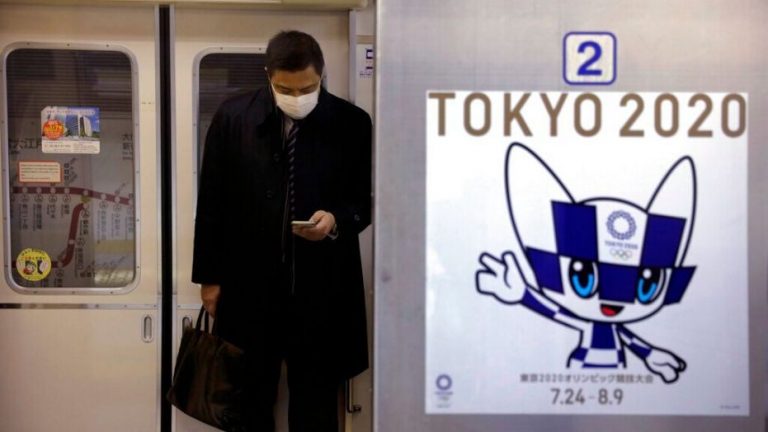
A poster promoting the Tokyo 2020 Olympics is posted next to a train door as a commuter wearing a mask looks at his phone on a train in Tokyo. Photo: Photo/Jae C. Hong

By Daniel Etchells |

Canceling the Tokyo 2020 Olympic Games due to the coronavirus outbreak would reduce Japan’s annual gross domestic product (GDP) growth by 1.4 percent, it is claimed in a new report.

According to Kyodo News, the report by SMBC Nikko Securities Inc. projects that Tokyo 2020 would create demand through spectator consumption and the staging of sporting events totalling $6.4 billion and the cancellation of the Olympics would deplete Japan’s GDP by about $74.1 billion.

The agency believes that the Olympics will be cancelled if the spread of coronavirus, officially named COVID-19 by the World Health Organization, continues until July – the month in which the Games are due to begin.

Under that scenario, corporate revenues would drop 24.4 per cent this year, compared with 2019.

Also presented in the report was a scenario under which the spread of coronavirus ends next month, with the Olympics being held as scheduled from July 24 to August 9 and the economic fallout from the outbreak limited to a 0.9 per cent fall in GDP growth.

Corporate revenues would likely decline by 14.9 percent under that scenario.

The International Olympic Committee (IOC) has repeatedly stressed Tokyo 2020 will take place as planned amid suggestions the event could be cancelled or postponed because of fears over coronavirus, which has spread to more than 100 countries.

IOC President Thomas Bach claimed canceling or postponing Tokyo 2020 had not even been mentioned during a two-day IOC Executive Board meeting which concluded in Lausanne on Wednesday (March 4).

But the German lawyer conceded the virus was a “major subject of discussion” at the meeting.

Last month, the Japanese economy went sharply into reverse in the final months of 2019, with the country entering the final stages of preparations for the Tokyo 2020 Olympic and Paralympic Games.

GDP for the fourth quarter is said to have fallen at a 6.3 percent annual rate.

The decline is being blamed on an increase in consumption tax.

Republished with permission from insidethegames.biz.
Vote Now for United States Sports Academy February Athlete of the Month

0
Vote Now for United States Sports Academy February Athlete of the Month
United States Sports Academy graphic

The United States Sports Academy has announced its Athlete of the Month ballot for February and public voting is in progress. Following the selection committee’s meeting, 12 candidates from seven countries comprise the list.

Cast your vote now at the Academy’s website at www.ussa.edu. Voting will continue until 5 p.m. Central time on Thursday, 12 March 2020.   

Male nominees are Pierre-Emerick Aubameyang, football (soccer), Gabon; Johannes Thingnes Bø, biathlon, Norway; Mondo Duplantis, track and field, Sweden; Tyson Fury, boxing, England; LeBron James, basketball, United States; and Galen Rupp, marathon, United States.

Female nominees are Chloe Dygert, cycling, United States; Sabrina Ionescu, basketball, United States; Therese Johaug, cross country skiing, Norway; Sofia Kenin, tennis, United States; Yulimar Rojas, track and field, Venezuela; and Abadel Yeshaneh, half marathon, Ethiopia.

VOTE NOW

Each month, the public is invited to participate in the Academy’s worldwide Athlete of the Month program by nominating athletes and then voting online during the first week of every month. The online votes are used to guide the Academy selection committee in choosing the male and female monthly winners, who then become eligible for selection to the prestigious Athlete of the Year ballot. A worldwide public vote on the annual ballot is used to guide the committee in making the final selection.

The Athlete of the Year Award is part of the United States Sports Academy’s Awards of Sport program, which each year serves as “A Tribute to the Artist and the Athlete.” The Academy presents the awards to pay tribute to those who have made significant contributions to sport, in categories as diverse as the artist and the athlete in several different arenas of sport.

The awards honor exemplary achievement in coaching, all-around athletic performance, courage, humanitarian activity, fitness, and media, among others. The Academy’s American Sport Art Museum and Archives (ASAMA) annually recognizes these men and women through its Sport Artist of the Year, Honorary Doctorates, Medallion Series, Distinguished Service Awards, Outstanding Athletes, and Alumni of the Year awards. This is the 36th year of the Academy’s Awards of Sport program.

The United States Sports Academy is an independent, non-profit, accredited, special mission sports university created to serve the nation and world with programs in instruction, research and service. The role of the Academy is to prepare men and women for careers in the profession of sports.

Founded in 1984, ASAMA is dedicated to the preservation of sports art, history, and literature. The ASAMA collection is composed of more than 1,800 works of sport art across a variety of media, including paintings, sculptures, assemblages, prints and photographs. The museum is open free to the public from 9 a.m. to 4 p.m. weekdays. For more information, go to www.asama.org.

The Academy is based in Daphne, Ala.  For more information, call (251) 626-3303 or visit www.ussa.edu.

Tokyo 2020 Coronavirus Hysteria Overshadows Most Pressing Issue

0
Tokyo 2020 Coronavirus Hysteria Overshadows Most Pressing Issue
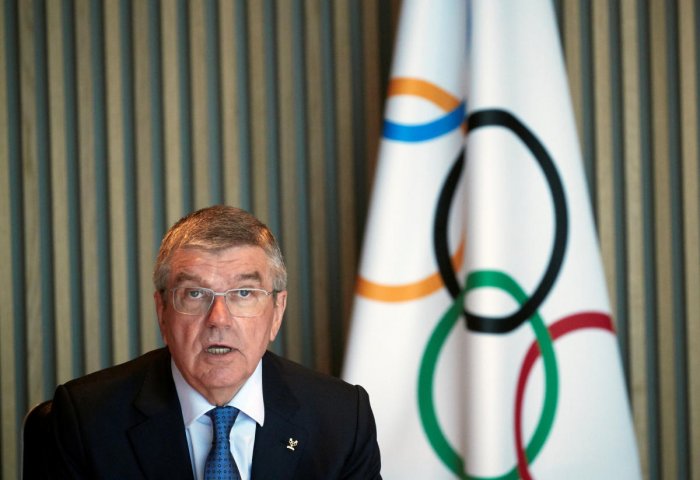
IOC president Thomas Bach. (Reuters photo)

By Liam Morgan |

It might not be as hard-hitting a headline, but the reality is the main concern over the impact of the coronavirus on Tokyo 2020 at this stage is not whether the Olympics take place. It is how athletes get there.

International Olympic Committee (IOC) President Thomas Bach fielded question after question on the virus, from various angles, and the nightmare scenario of canceling or postponing the Games during his press conference yesterday.

In front of a much larger audience than usual, Bach quipped he would not get tired repeating his refusal to get drawn into speculation on the possibility of this year’s Olympics being canceled or postponed because of the outbreak.

The focus throughout the press conference was on a hypothetical situation rather than the more pressing issue at hand – the effect of the COVID-19 virus on athletes’ attempts to qualify for Tokyo 2020.

Of course, a cancelation or postponement – somehow odds-on with a British bookmaker – would remove the need for athletes to stress over qualification, but with Tokyo 2020 and the IOC insisting the event will go ahead as planned, providing them with every chance to book an Olympic place should be the highest priority for the IOC and International Federations (IFs).

At the time of writing, at least 10 events which offer some form of Olympic qualification – either directly or indirectly – have been postponed or canceled. In many cases, athletes are still waiting for new dates and locations of these competitions to be confirmed.

Given the growing fears and uncertainty in the Olympic Movement and beyond regarding the virus, which has killed over 3,300 people and infected more than 97,000 worldwide, more postponements and cancellations are likely to follow.

It is paramount, then, that the IOC, alongside IFs, reach the fair solutions they have promised to ensure athletes are not denied the chance to compete at the Games for reasons entirely beyond their control.

One such solution – if you can call it that – saw the International Swimming Federation (FINA) use results from the 2018 Asian Games, held nearly 20 months ago, to determine the continent’s Tokyo 2020 qualifiers in water polo, and we can only hope this rather unfair decision is not replicated by others.

Problems in numerous sports have begun to emerge in recent weeks.

The Asian wrestling qualifier for the Games was due to take place in Bishkek after being relocated from Xi’an, before Kyrgyzstan canceled the event because of the outbreak and no replacement host has yet been found.

Results from the Asian Wrestling Championships in New Delhi earlier this year could feasibly be used, but that event was also impacted by coronavirus and several countries missed the event. 

A handful of athletes opted to skip the competition, instead prioritizing participating at the Olympic qualifier, a decision which could see them miss out on a hallowed Tokyo 2020 berth.

Qualification events, particularly in Asia, have been shifted from one place to another and even moved again in certain instances, wreaking havoc on athletes’ travel plans, training and preparation.

Athletes from a growing number of countries have also been hampered by restrictions on travel to countries worst hit by the virus, preventing them from competing and leading many to wonder whether they will even be able to take part at an Olympic qualifier, let alone the Games themselves.

Ever the optimists in the face of a crisis – some might say naively so – the IOC has promised to avoid this wherever possible.

One of the options for IFs could be to use ranking points, or implementing a new weighted system which takes into account a larger number of events, to determine who goes to Tokyo 2020.

Allocating wildcards to athletes may also have to be considered, particularly if they were on course to qualify for Tokyo 2020 before the virus prevented them from securing a place at the Games.

Using previous results of past events not linked to Olympic qualification, seemingly FINA’s preferred method, should surely be a last resort.

What if an athlete missed out on, say, the Asian Games through injury but is fit as a fiddle now and has performed consistently since? 

Why should they not be able to compete at Tokyo 2020 for something that happened years ago?

Should extraordinary steps be required when it comes to Olympic qualification, the IOC and IFs must also balance a strong field of athletes with ensuring universality in their competition. 

Sport, at its most basic, is about winning, but for many countries worldwide, it is the taking part at the Games that counts.

Among the potential solutions being considered by the IOC are an increase of quota places for sports worst affected by the outbreak and awarding Olympic places to athletes who would “most likely” have booked a Tokyo 2020 berth if they could have taken part at a qualification event.

“We may have to consult with IFs with regard to quota allocations if there would be a case where athletes have been prevented from taking part in the qualification process,” Bach said.

Bach acknowledged this will pose challenges to plenty of IFs, many of whom are hardly world leaders in making the right decision.

While the IFs who have been forced to cancel or postpone Tokyo 2020 qualifiers due to the virus are worthy of sympathy – they can be blamed for a spate of issues in the Olympic world, but the coronavirus is not one of them – the system will nevertheless have failed if even one athlete is prevented from competing at the Games because of it.

And that lingering concern for athletes fearful of missing out far outweighs fears over whether the Tokyo 2020 Olympics will happen at all.

Republished with permission from insidethegames.biz.

The Plan to Mitigate the Coronavirus Invasion in America

The Plan to Mitigate the Coronavirus Invasion in America
Photo: PA IMAGES/SIPA USA

By Dr. Bob Goldman MD, PhD, DO, FAASP |

Dr. Bob Goldman is the Chairman of the United States Sports Academy’s Board of Visitors. Here, he shares his thoughts on the Coronavirus in a piece that originally appeared at worldhealth.net. This article is published with permission from the author.

There are simple and straightforward methods to blunt the coronavirus effects on America, given what we know about the spread of this virus, specific actions need to be implemented immediately. The facts are that the virus cannot spread without it getting access to a victim’s mucus membranes via eyes, ears, and nose.

Staff on airplanes and other public transport in high-risk situations of coming into contact with those who are infected, should be issued simple reusable masks and gloves made from an ion infused copper cotton material that is anti-viral on contact. The cotton should be infused with copper ions which kill viruses on contact, and thus wearing a copper infused cotton mask with or without an N95 or N99 filters are a superior protection choice.  

Prevention of mucus membrane exposure through contact with the hands or through inhalation along with use of tight fitting glasses will protect against cough droplets in the air, this is protection that can be manufactured inexpensively. Issuing colloidal silver in spray bottles to wash eyes will also greatly reduce risk of infection. A colloidal silver solution at 100 ppm is non irritating and universally viracidal as well as only costing a few cents per gallon to the manufacturer.  

Technology now exists using nanotech vibrational tuning rods to detect the most infinitesimal amount of a discrete virus in solution. This technology is accurate to picogram scale. Originally developed in Germany, this technology has been commercialized and is being used for the detection of minute toxins in environmental materials. The same technology could be implemented for a very quick and inexpensive test for the virus, which would be much faster, cheaper and more accurate than the PCR technology currently being used. This would allow for instant screening of large numbers of people in rapid fashion at airports and other transportation ports as well as in the hospital and healthcare environments.

In the past HEPA air filters were in common use because the airlines knew that the air in the cabins was recirculating previously breathed air and could increase the risk of spreading airborne infection. Unfortunately today they do not use these advanced filtration systems, as that raised the modest cost to the airlines per flight, and to save this small amount of money they discontinued use of these air filters. Additionally, the airlines insist on flying with the air vents closed in order to again save on the costs of a small amount of jet fuel being used in heating the air for the cockpit and the cabin. It would be a simple solution to install HEPA filters again in the air filtration systems. Airliners and cruise ships should also open the air vents to allow for less cross-contamination and rebreathing of stale air.

A further solution would be the use of commercially available ozone generating machines between flights and airline cabins to detox and disinfect the cabin air and surfaces.  A blast of ozone is a superb disinfectant and could easily cleanse an airline cabin in 20 to 30 minutes; the same technology would be effective for cruise ships and trains as well.

There are thousands of natural drugs, herbals, chemicals, plants and physical substances that have viral inhibiting and viral destructive capacity. A single lab could be used to test out these many products for the potential of a safe nontoxic answer to the coronavirus infection. A single lab with automated viral culture mass screening could quickly show which of the thousands of chemicals, drugs and other products of nature will stop this virus.  

Finally quarantine at home does not work and will not work as this virus has a long wait and see incubation period. It is also near impossible to keep people completely isolated. The answer is neighborhood isolation trailers that could be constructed quickly and easily, these could be delivered to a specific location where people in quarantine could be housed in near where they live. These isolation homes where the air would be filtered and the sewage would be kept in special isolated disinfected septic tanks, would allow for families to visit via large windows without risking contamination and delivery of food to their relatives via a two-way isolation door system. This would be a more humane and effective means of maintaining strict isolation, while maintaining people in their own community and not overwhelming hospitals with the burden of highly infectious diseased individuals.

Patients on homecare with oxygen and BiPAP positive pressure airway therapy, would be on constant monitoring via telemedicine and Internet cameras, as well as medical telemetry to monitor their respiratory rate as well as their SA02 oxygen saturation, along with EKG, heart rate and their blood pressure. This monitoring could be accomplished via computer systems so that it was automated, again taking the strain and the stress away from the overburdened healthcare community.

Should a patient’s condition begin faltering, a team of highly trained intensive care technicians in full hazmat isolation gear could be dispatched to the patient’s location in a matter of minutes, or just to ensure that a patient on homecare was receiving good care. This system may be even better than patient care in the hospital and would allow for patients who were deteriorating on homecare, to be rapidly transferred to hospital based respiratory intensive care units.

Realize these technologies are off the shelf and are available at this very moment. The only question is the actual implementation of the system of remote controlled advanced high-tech medical care. This program could be in working status in a matter of days, and the cost savings would be immeasurable… the savings of lives…. would be even greater. All this with the added benefit of patients being able to isolate themselves at home in familiar environments, with the support of their already exposed family members.

Utilizing an advanced use of CPAP, as well as remote teams of respiratory intensive care technicians, virtual reality tele-medicine, health monitoring telemetry, positive pressure oxygen therapy, and airway support could be an absolute game changer never seen before in the annals of healthcare.

We owe the American people the best that we can provide.

This worldwide pandemic is a manageable problem that need not lead to mass disruption or mass deaths. There is certainly a drug or many drugs that can inhibit this virus and prevent it’s furthered deadly outcome. The simplest of which are measures to protect your mucous membranes and to protect your hands from becoming germ transmitters.  

The American public deserves a better, more intelligent and more humane public health response from its Government. The above measures would give that to them at minimum cost and could be implemented in the matter of days, with no barriers stopping effective public health responses to this contagion impending threat to our nation.

God bless America and God bless its leaders who take appropriate action to protect its citizens. 

History will record your actions accurately. 

Dr. Goldman is a best-selling author, innovator, humanitarian, producer, physician and surgeon with a doctorate in anabolic steroid biochemistry. Dr. Goldman donates 80% of his time in charitable pursuits around the world, supporting sports, fitness and medical education for the sports and medical communities worldwide, visiting dozens of nations with a focus on youth mentorship. Among his many accomplishments he is World Chairman of the International Medical Commission; Co-Founder and Chairman of the Board of the A4M; Founder and Chairman of the International Sports Hall of Fame; Co-Founder and Chairman of the World Academy of Anti-Aging Medicine; President Emeritus of the National Academy of Sports Medicine (NASM); and Chairman of the U.S. Sports Academy’s Board of Visitors.

WBSC President Hails Player Agreement with MLB and MLBPA for Olympic Qualifiers

0
WBSC President Hails Player Agreement with MLB and MLBPA for Olympic Qualifiers
World Baseball Softball Confederation President Riccardo Fraccari. Photo: WBSC

By Daniel Etchells |

World Baseball Softball Confederation (WBSC) President Riccardo Fraccari admitted they are  “thrilled” to have reached an agreement to permit players on Major League Baseball (MLB) 40-man rosters to participate in the Tokyo 2020 Olympic Games and the respective qualifiers.

As part of the accord, national team roster sizes will increase from 24 players to 26 for the WBSC Baseball Americas Qualifier, due to take place from March 22 to 26 in Arizona, and the WBSC Baseball Final Qualifier, scheduled to be held in Taiwanese cities Taichung and Douliu from June 17 to 21, to safeguard the health of the players and prevent potential fatigue.

In accordance with the agreement between the WBSC, MLB and MLB Players Association (MLBPA), national teams will be able to select any MLB-affiliated player, except those on active MLB 26-man rosters.

“The WBSC is thrilled to partner with MLB and the MLBPA to give more of the top athletes in the sport of baseball the highest honour of representing their country as well as the opportunity to play on the world’s biggest sporting stage, the Olympic Games,” Fraccari said.

“This collaboration with the MLB and MLBPA is a further demonstration of the common will, together with other professional organisations, to make baseball a truly global sport and to contribute to the success of the Olympic Games.

“The return of Olympic baseball and softball is expected to be one of the main attractions of the Tokyo 2020 Games, and we – on behalf of our sport and athletes worldwide – are doing everything we can to make it the most exciting and competitive Olympic baseball event ever.”

With numerous Canadian, Dominican and Puerto Rican prospects already in the MLB system, the agreement is seen as good news for more teams than just the United States.

For example, Wander Franco, the number one prospect in baseball according to MLB Pipeline, could play for the Dominican Republic.

Canadian duo Josh Naylor and Cal Quantrill, who both made their MLB debuts last season, are two more who could potentially feature if they are not on the active roster of the San Diego Padres.

The eight participating nations in the WBSC Baseball Americas Qualifier include hosts the US, Canada, Colombia, Cuba, the Dominican Republic, Nicaragua, Puerto Rico and Venezuela. 

The winner of the event will earn a place at Tokyo 2020.

The six teams competing in the WBSC Baseball Final Qualifier include hosts Chinese Taipei, Australia, China, The Netherlands and the second- and third-place finishers from the WBSC Baseball Americas Qualifier.

The winner of the event will secure the sixth and final quota for Tokyo 2020.

Four nations have already qualified for the Olympic baseball tournament: hosts Japan, Israel, South Korea and Mexico.

Republished with permission from insidethegames.biz.
Editor’s note: Riccardo Fraccari is the United States Sports Academy’s 2019 Eagle Award honoree. He will receive the award at the institution’s graduation ceremony on Thursday, 11 June 2020 in Daphne, Ala.

Raisman, Biles Criticize USA Gymnastics Offer to Nassar Survivors

0
Raisman, Biles Criticize USA Gymnastics Offer to Nassar Survivors
American gymnastics stars Simone Biles, left, and Aly Raisman celebrate during the Rio 2016 Olympics gymnastics competition. Photo: By Danilo Borges via Wikimedia Commons

By Liam Morgan |

Multiple Olympic gold medalists Aly Raisman and Simone Biles have criticized a settlement offer from USA Gymnastics to victims of sexual abuse by disgraced team doctor Larry Nassar.

USA Gymnastics has offered $215 million to survivors, but they must either accept the offer as a group or continue pursuing their lawsuits.

Raisman, one of the gymnasts to have been abused by Nassar, claimed on Twitter that the settlement was part of a “cover-up” between USA Gymnastics (USAG) and the United States Olympic and Paralympic Committee (USOPC).

Speaking on the TODAY show this week, the three-time Olympic champion labelled the offer as “offensive”.

“It shows they do not care,” Raisman said.

“They are just trying to push it under the rug and hoping people will forget about it when they watch the Olympics this summer.”

The settlement has also been slammed by Biles, the 19-time World Championships gold medalist and four-time Olympic champion.

“Still want answers from USAG and USOPC,” the 22-year-old wrote on Twitter.

“Wish they BOTH wanted an independent investigation as much as the survivors and I do.

“And don’t THEY also want to know HOW everything was allowed to happen and WHO let it happen so it NEVER HAPPENS AGAIN? Shouldn’t people be held accountable? 

“Who do I ask??? I’m torn at this point.”

Should the survivors vote to accept the settlement, offered by USA Gymnastics as part of a plan for the organisation to emerge from bankruptcy, the body’s former President Steve Penny, former coaches Martha and Béla Károlyi, and other US Olympic officials would be released from liability.

More than 350 women are thought to have been abused by Nassar, given an effective life sentence by a Michigan court in 2018 for sexually abusing dozens of young female gymnasts and who is also serving a 60-year jail term for a federal child pornography conviction.

Republished with permission from insidethegames.biz.
IOC Reiterates Commitment to Holding Tokyo 2020 Olympic Games as Planned

0
IOC Reiterates Commitment to Holding Tokyo 2020 Olympic Games as Planned
A poster promoting the Tokyo 2020 Olympics is posted next to a train door as a commuter wearing a mask looks at his phone on a train in Tokyo. Photo: Photo/Jae C. Hong

By Liam Morgan |

The International Olympic Committee (IOC) has reiterated its commitment to holding this year’s Olympic Games in Tokyo as scheduled amid continued concerns over the impact of the coronavirus outbreak on the event.

Echoing comments from President Thomas Bach on a conference call with select Japanese media last week, the Executive Board “expressed its full commitment to the success of the Olympic Games Tokyo 2020 taking place from July 24 to August 9”, according to a statement from the IOC.

Bach said the IOC remain “very confident” of a successful Games in the Japanese capital.

Earlier, Japan’s Olympics Minister Seiko Hashimoto said the Host City Contract “calls for the Games to be held within 2020”.

“That could be interpreted as allowing a postponement,” Hashimoto said in response to a question in Japan’s Parliament.

Fears surrounding the coronavirus, which has killed 3,130 people and infected more than 92,000 worldwide, has sparked suggestions the Olympics and Paralympics may be cancelled or postponed.

But the IOC has repeatedly insisted the Games will be held as planned, despite the virus spreading to more than 60 countries, and has attempted to quash rumors to the contrary.

The IOC has encouraged athletes to “continue to prepare for the Olympic Games Tokyo 2020”, and said it was continuing to follow advice from the World Health Organization.

“The IOC Executive Board heard a report on all the measures taken so far to address the coronavirus situation, which was followed by a comprehensive discussion,” the IOC statement said.

IOC doyen Richard Pound warned last week that a decision on whether Tokyo 2020 goes ahead would have to be made by the end of May, should one be required.

Pound, a former IOC vice-president, claimed it was more likely the event would be cancelled than postponed but stressed “all indications are at this stage that it will be business as usual”.

The virus has wreaked havoc on the sporting calendar and numerous events, including Olympic qualifiers and Tokyo 2020 test events, have been cancelled, postponed or relocated.

Tokyo 2020 today cancelled a wheelchair rugby test event, while others in sports such as sport climbing and boccia are set to take place using officials in place of athletes.

Republished with permission from insidethegames.biz.

Final Baseball Qualifier for Tokyo 2020 Postponed Due to Coronavirus

0
Final Baseball Qualifier for Tokyo 2020 Postponed Due to Coronavirus
Photo: WBSC.org

By Dan Palmer |

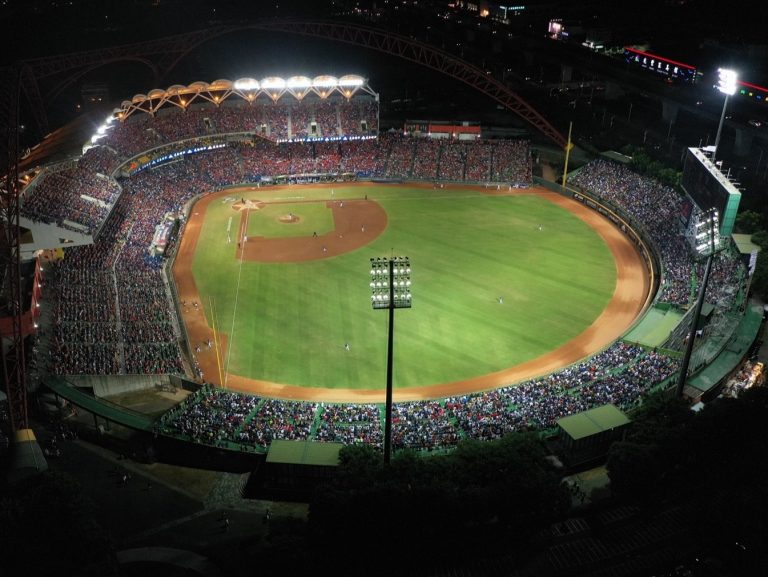
The Baseball Final Qualifier for the Tokyo 2020 Olympic Games has been moved from April until June due to the coronavirus outbreak.

Action is now scheduled in Taichung and Dou Liu in Taiwan from June 17 to 21, instead of April 1 to 5.

A statement from the World Baseball Softball Confederation (WBSC) said that the decision was made due to “player, personnel and spectator health and safety measures”.

The governing body made the decision alongside the Chinese Taipei Baseball Association and the Chinese Taipei Professional Baseball League.

Government and medical authorities were also consulted.

Six teams are due to play at the event, including China where the coronavirus outbreak originated.

They will be joined by hosts Chinese Taipei, Australia, The Netherlands and the second and third-placed finishers from this month’s Americas Qualifier in Arizona.

The winner of the tournament will earn the final berth at Tokyo 2020.

Japan, Israel, South Korea and Mexico have already qualified for this year’s Games, where men’s baseball will return to the programme following its axing following Beijing 2008.

There have now been more than 89,000 cases of coronavirus, and more than 3,000 deaths.

Numerous sporting events have been either postponed or cancelled.

Taiwan has reported 40 cases, and one person has died in the country.

The vast majority of patients have been in China itself.

Republished with permission from insidethegames.biz.