Home Blog Page 76

Carl Lewis Expects Pan American Games to Have “Profound Impact” on Peru

0
Carl Lewis Expects Pan American Games to Have “Profound Impact” on Peru
Carl Lewis attended the Lima 2019 press conference alongside fellow American former athlete Leroy Burrell. Photo: Lima 2019

By Nancy Gillen |

Former men’s 100-meter world record-holder and nine-time Olympic gold medalist Carl Lewis claimed that the 2019 Pan American Games will have a “profound impact” on the host country Peru.

Lewis made the comments in a press conference also attended by fellow American Leroy Burrell, another former 100m world-record holder and Olympic champon. 

The pair are in Lima as coaches for five athletes participating in the track and field competition, starting tomorrow at VIDENA Sport Complex. 

Lewis spoke of his own affinity with the Pan American Games, before discussing the 2019 edition taking place here in the Peruvian capital.

“It’s going to have a profound impact on this community,” the two-times Pan American Games gold medallist said, having triumphed in the men’s long jump and 4x100m relay at Indianapolis 1987. 

“I do not know lot about the Peruvian athletes as I have not been here before.

“It is important what they are doing though, representing the country in a way people can be proud of.

“I have heard ticket sales for athletics have been strong and the bigger issue is the impact coming out of this.

“The Peruvian athletes will inspire young people.

“They will see them in the Games and then they will want to win the Games.”

Burrell was complimentary about the athletics stadium at VIDENA, built specifically for Lima 2019, claiming it will have an important role in the development of athletics in Peru.

“I haven’t even been here 24 hours but I had the opportunity to go by the stadium,” he said.

“The first thing I did was call back to the US and say the facilities were astounding.

“To walk into that facility, I was amazed.

“That is the foundation that a champion or two will be built on.”

Athletics will take place here until August 12, with medals set to be won in 42 track and field events. 

Lewis has been invited by Panam Sports President Neven Ilic to present medals for the men’s 100m and long jump. 

The 58-year-old set the men’s 100m world-record at the 1991 International Association of Athletics Federations World Championships in Tokyo, completing the race in 9.86secs.

Burrell then beat this time three years later in Lausanne, running 9.85.

Lewis’s nine Olympic gold medals include the 100m and long jump at Los Angeles 1984 and Seoul 1988, having also won the long jump at Barcelona 1992.

He topped the 4x100m podium in Barcelona alongside Burrell after triumphing in the same event in 1984. 

Republished with permission from insidethegames.biz.

United States Sports Academy Set to Teach International Sports Education Programs in the Philippines

United States Sports Academy Set to Teach International Sports Education Programs in the Philippines
Academy President Dr. T.J. Rosandich recently met with officials at the Philippines Sports Commission (PSC) in Manila. Participating in the discussion were Henry Daut (left), Rosandich, PSC Chairman William Ramirez (center) and Dr. Sergio Opena (right).

By United States Sports Academy |

The Philippines Sports Commission (PSC) is preparing to receive the first of the United States Sports Academy’s faculty being sent to teach the first module of its International Certification in Sports Management (ICSM) program in Pasig City starting 19 August.

The Philippines Sports Commission (PSC) signed a Protocol for Cooperation with the Academy in 2017 that started the planning process for the sport education programs to be taught by the Academy here. This event also marks the return of the institution’s international programs in the country since the Academy first taught certification programs here in the early 1980s.

“I was among the Academy faculty tapped to teach our international certification programs in sports management and sports coaching in the island nation in the early 1980s, so to return is particularly meaningful me,” said Academy President and CEO Dr. T.J. Rosandich. “The Academy is looking forward to playing a role in the enhancing of the national sport effort in the Philippines through our programs in education, research and service. Having taught sports education programs to more than 65 countries, this partnership with the Philippines is a continuation of our mission.”

“We have a great respect for the United States Sports Academy because of the work it did with our country in the past,” PSC Chair William “Butch” Ramirez said. “We are looking forward to restarting the relationship we had for so many years.”

The first Academy instructor who will teach Sports Administration is both an alumna and member of the faculty. Dr. Bonnie Tiell was the Academy’s 2014 Alumna of the Year, having earned her Doctor of Education degree in sport management from the institution. Tiell works with members of the World Olympians Association, which has supervised educational programs at the Olympic Games in Athens, Greece; Beijing, China; London, England; and Rio de Janeiro, Brazil. She has presented research, taught, or collaborated on sports projects throughout five continents and has extensive publishing experience.

Tiell is also a recipient of the Region 4 Excellence in Teaching Award through the Accreditation Council of Business Schools and Programs, is also a member of the Tiffin University Athletic Hall of Fame and recipient of the 2013 Great Lakes Intercollegiate Athletics Conference Donahue Service Award.

The ICSM program consists of six modules each of which covers different aspects of sport administration. Future courses on a wide range of sport management subjects will be taught to support the development of sport at the national and interscholastic levels in the Philippines, helping to educate the coaches and managers responsible for the long-term growth of success of sport in the country.

Since its founding nearly a half-century ago, the Academy has leveraged its role and resources as a special mission sports university to make a global impact through quality sport instruction, research and service programs in 65 countries around the world. These contributions have varied in scope from the full-charge conduct of a nation’s entire national sport effort to individual coaching clinics, seminars, and symposia. For more about the Academy’s international programs, go to https://ussa.edu/international/.

The United States Sports Academy is an independent, non-profit, accredited, special mission sports university created to serve the nation and world with programs in instruction, research and service. The role of the Academy is to prepare men and women for careers in the profession of sports.

The Academy is based in Daphne, Ala.  For more information, call (251) 626-3303 or visit www.ussa.edu.

Russian Athletics Federation Promises Stricter Rules Against Banned Coaches

0
Russian Athletics Federation Promises Stricter Rules Against Banned Coaches
Photo: The Sports Integrity Initiative

By Liam Morgan |

Stricter rules which will deny and revoke licenses to coaches found to have committed anti-doping offenses are set to be installed by the Russian Athletics Federation (RusAF) in January as part of the organization’s bid for reinstatement.

The regulations, due to come into force on January 1, will prevent any coach who has an on outstanding conviction for breaking anti-doping rules, or those who have breached their ban within a year of their suspension being announced, from working at the RusAF.

Coaches can also be denied a licence by the body, which remains suspended by the International Association of Athletics Federations (IAAF), if more than one athlete under their supervision records an anti-doping rule violation in the two years leading up to the application for a license.

The move comes after athletics coaches in Russia were found to have continued their roles despite being banned for doping offences.

It was one of the reasons why the IAAF maintained its ban on the RusAF for the 11th time at its Council meeting in June.

“Since the moment of dismissal, the Federation has systematically tightened the rules for licensing coaches,” RusAF President Dmitry Shlyakhtin said.

“For us, this is a fundamental point. 

“Anyone violating anti-doping rules should be prevented from working in Russian athletics. 

“The coaches who violate the rules will be denied a license, or it will be revoked.”

Last month, Vladimir Kazarin admitted breaching his lifetime ban and confirmed he had continued working with athletes after he was suspended in 2017.

Kazarin – who once coached Maria Savinova, winner of the Olympic gold medal in the 800 meters at London 2012 before she was stripped of her title because of doping, and athlete-turned-whistleblower Yulia Stepanova – had attempted to avoid detection by wearing disguises.

His attempts failed, however, after he was caught working with athletes at a camp in Kyrgyzstan.

The Russian Anti-Doping Agency (RUSADA) began an investigation into the camp, where as many as seven athletes were suspected of working with Kazarin, in June.

RUSADA, reinstated by the World Anti-Doping Agency (WADA) in September after a near three-year suspension, alleged the banned coach had “directly participated” in training sessions with seven athletes in Kyrgyzstan between November 2018 and April 2019.

Since the RusAF was suspended in November 2015 after a report uncovered systematic doping in Russian athletics, the organization has faced accusations that coaches banned for their role in the system were still active in the sport.

Russian 400m runner Artyom Denmukhametov was recently given a provisional suspension amid allegations he was being coached by Kazarin, banned for life in 2017 after a WADA report found he had given athletes banned performance-enhancing drugs.

It was not the first instance of Kazarin breaching his ban as a 2017 documentary on German channel ARD alleged that Kazarin had been continuing to work.

“The Russian Olympic Committee fully supports the RusAF efforts in the area of the formation and development of a new anti-doping culture in Russia,” said ROC President Stanislav Pozdnyakov.

“We are working together within that and plan to expand cooperation due to the maximum integration of RusAF specialists, coaches, and athletes, primarily young athletes, those who begin to engage in sport within the ROC educational projects in the regions. 

“Work is being carried out in several directions at once. 

“We have traditionally held several times per year practical anti-doping seminars, and there are also educational and professional development programs for trainers and specialists on the basis of the Russian International Olympic University.”

Republished with permission from insidethegames.biz.

Time to Reform the Not-So-Sweet Science

0
Time to Reform the Not-So-Sweet Science
USA Today photo

By Joseph D. Lewandowski, PhD |

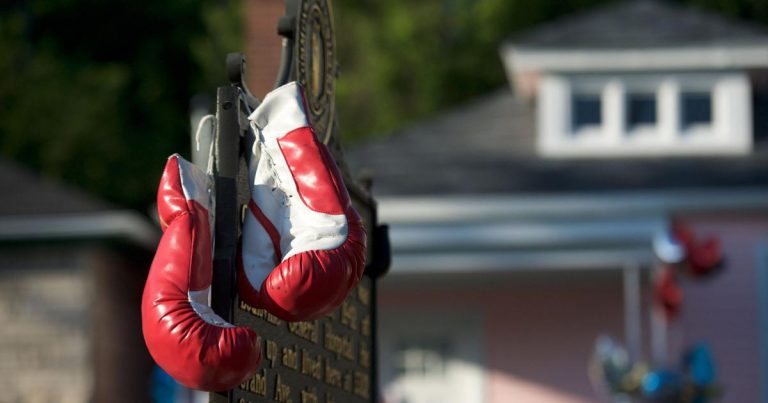
The recent and tragic post-fight deaths of the Russian junior welterweight Maxim Dadashev and Argentinian super lightweight Hugo Santillan are almost certain to elicit a new round of calls to ban the sport of professional boxing. That is an understandable, if misguided, response.

Despite the ‘rags-to-riches’ pop culture narratives surrounding the sport, the ‘Sweet Science’ is a decidedly prosaic and working-class endeavor. Indeed, most boxing gyms accept all comers, require little or no fees, and provide basic equipment to gym members. Thus, unlike many organized sports, boxing presents virtually no economic or skill-specific entry barriers to participants. Thus it is that the sport typically draws individuals—primarily men but also women—from impoverished regions across the globe.

Yet the financial rewards for even the more successful boxers are modest—the hard truth is, most professional boxers never make enough money to support themselves by boxing alone. So why box? The pursuit of pugilism is in fact the pursuit of social recognition, respect, and distinction in contexts of profound disrespect and marginalization. Individuals do not join boxing gyms to ‘fight their way out’ of such contexts but instead to distinguish themselves in ways otherwise not readily available to them.

Thus, rather than banning the sport, what is most urgently needed is a thoroughgoing set of reforms.

Start with the need for a collective voice. With no union or fighters’ association, professional boxers lack the kind of collective bargaining power of athletes in many other pro sports.

As a result, with the exception, perhaps, of the most notable and highest earning fighters, boxers have little to no power over their working conditions, opponent selection, or purse negotiations. At the untelevised local and regional levels of the sport, especially, this leads to open exploitation by flesh-peddling managers and trainers who often pressure boxers to take fights for which they are not sufficiently prepared or clearly outmatched.

Unionization would provide professional boxers with the kind of structure and representation needed to pursue workplace grievances (including the harassment of female fighters), as well as workers’ compensation—in particular, disability pay, lump sum benefits, and medical benefits in the case of injury or death.

Beyond empowering fighters, however, the sport itself is in need of reforms designed to make it safer. The length of fights must be shortened. The standard 12-round championship fight is simply too long—and puts fighters at increased risk for the kind of sustained concussive blows that led to the deaths of Dadashev and Santillan. Better to make the standard maximum length eight rounds, with ten rounds reserved for championship bouts.

Additionally, and most crucially, blows to the head of each fighter should be counted, and an upper allowable limit on the number of clean head punches per round and per fight established. Once that threshold is crossed, the fight must be stopped and a fighter would be said to lose on ‘head punches’, in much the same way that he could lose ‘on cuts’. The precise number of maximum head punches that lead to a defeat is, to be sure, debatable, and hence a topic to be determined and continually reviewed by boxing and medical experts.

It may come as a surprise to non-boxing fans to learn that the technology needed to track blows to the head successfully is currently in use in most high level bouts. Known as CompuBox™, this blow-scoring system is operated by two individuals who electronically key in punches by accuracy (thrown or landed), location (head or body) and type (jab or power shot). In this way actual data regarding the physical toll of the fight on boxers is already available and could easily be used to make a decision to stop the fight.

The advantages of such a rule modification would be significant. First, it provides real-time public data for fight stoppages. Second, in a sport where refusing to continue and ‘quitting on the stool’ can mean the end of a career, it takes the decision to stop the bout out of the fighter’s hands. Third, establishing a head punch count limit constrains the decision-making power of trainers and corner men, who on any given night have a vested but conflicted interest in the health and relative success of their boxers.

Of course no set of reforms can make professional boxing entirely safe. As in other combat sports—but also in non-combat sports, such as solo free climbing, bull riding, and race car driving—boxers engage in a high risk athletic endeavor that inevitably tests the ultimate limits of human fortitude. It is precisely for that reason that ways must be found to minimize the risks of injury and, indeed, death, to its practitioners.

Joseph D Lewandowski is Professor of Philosophy at the University of Central Missouri and a member of the Editorial Board of the Journal of the Philosophy of Sport. A writer, researcher, educator and avid pugilist, he has presented and published widely in the philosophy of sport and culture.

London Set to Host FIFA eWorld Cup Grand Final

0
London Set to Host FIFA eWorld Cup Grand Final
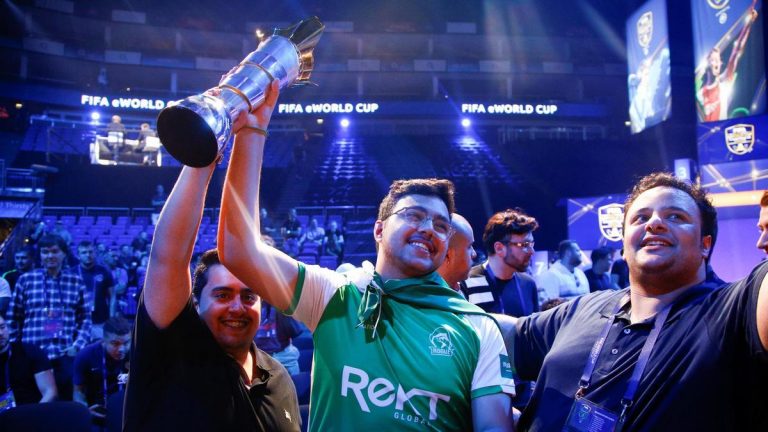
Mosaad 'MSDossary' Aldossary of Saudia Arabia won the Fifa eWorld Cup 2018. Photo: Reuters

By Liam Morgan |

Thirty-two of the planet’s best FIFA players are set to battle it out for the title and the $250,000 prize money at the FIFA eWorld Cup Grand Final in London.

The tournament, which uses EA Sports’ popular game FIFA 19, is due to begin at the O2 Arena tomorrow and concludes on Sunday (August 4).

The 32 players have been drawn into four groups of eight, two for the Xbox and two using the PlayStation console.

Seven rounds of matches are played with the four best players from each group qualifying for the last 16.

Following the conclusion of the knockout round, the final will be contested over a two-legged format, with one match on Xbox and the other on PlayStation.

The group stage will take place tomorrow before the knockout phase has centre stage on Saturday (August 3).

The FIFA eWorld Cup will conclude with semi-finals and finals on Sunday.

Mosaad Aldossary of Saudi Arabia will be hoping to retain his title at the event.

Republished with permission from insidethegames.biz.

Dalilah Muhammad Overcomes Concussion to Break 400 Meter World Record

0
Dalilah Muhammad Overcomes Concussion to Break 400 Meter World Record
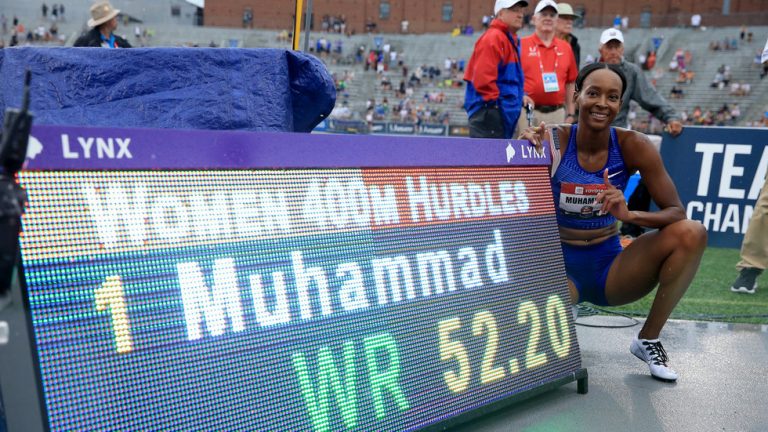
Dalilah Muhammad poses with the clock. Photo: AFP / Andy Lyons

By Dr. Brandon Spradley |

A huge congratulations is due to the 2016 Olympic champion Dalilah Muhammad for breaking the women’s 400 meter hurdles world record at the USA Track and Field Championships in Des Moines, Iowa. Her time of 52.20 seconds broke a 16-year-old record previously held by Yuliya Pechonkina.  

Muhammad overcame a mild concussion to post the fastest time ever recorded by a woman over the distance. This is a phenomenal feat, especially considering the time was ran on a wet track. Her previous best was 52.64 set at the 2017 US Track and Field Championships. Muhammad’s coach, Lawrence Johnson, knew it was only a matter of time before the world record fell.

The Olympic gold medalist looks win gold at the IAAF World Track and Field Championships in Doha, Qatar set to start in September of this year. In the meantime, let’s enjoy this video of Dalilah Muhammad’s world record performance.

Dr. Brandon Spradley is the chair of sports management at the United States Sports Academy. He recently discussed issues related to the rise of eSports in the sports profession.

Semenya Set to Miss IAAF World Championships After Court Ruling

0
Semenya Set to Miss IAAF World Championships After Court Ruling
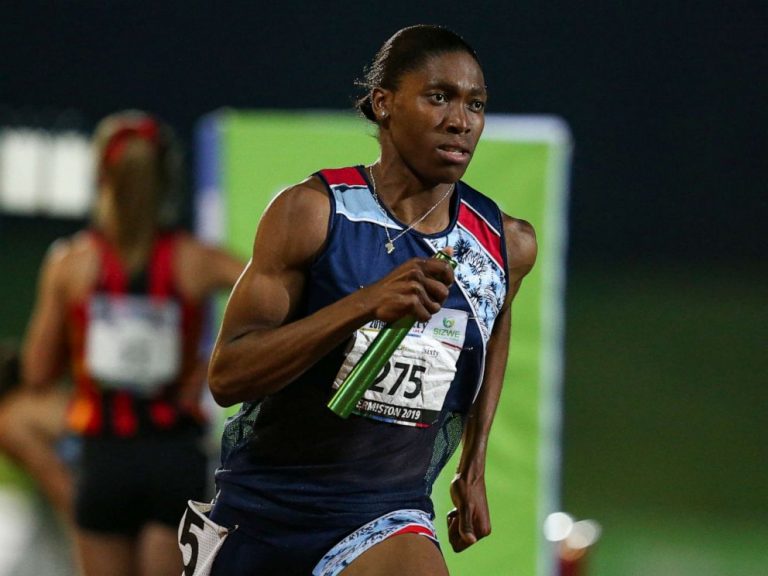
South Africa's athlete Caster Semenya competes in an event at a meeting in Johannesburg, April 27, 2019. Photo: AP / Roger Sedres

By Ned Payne |

Double Olympic champion Caster Semenya is set to miss the upcoming International Association of Athletics Federations (IAAF) World Championships in Qatar’s capital Doha.

The South African will not defend her 800 meter title after the Swiss Supreme Court reversed a ruling which suspended a regulation imposed by the IAAF regarding testosterone levels, pending an appeal from Semenya.

The 28-year-old is appealing a ruling by the Court of Arbitration for Sport (CAS) which supports the IAAF regulation that athletes with differences in sexual development (DSD) who wish to compete in events ranging from 400m and a mile must take medication in order to reduce their testosterone levels.

Semenya, who has consistently spoken out against that standpoint, admits she is hugely disappointed at the prospect of not racing in Doha.

In a statement, she said: “I am very disappointed to be kept from defending my hard-earned title, but this will not deter me from continuing my fight for the human rights of all of the female athletes concerned.”

However, the IAAF welcomed the Swiss Supreme Court’s decision, which it said had been taken “after hearing the IAAF’s arguments”.

An IAAF statement said: “This decision creates much needed parity and clarity for all athletes as they prepare for the World Championships in Doha.

“In the remainder of the proceedings before the SFT (Swiss Supreme Court), the IAAF will maintain its position that there are some contexts, sport being one of them, where biology has to trump gender identity, which is why the IAAF believes (and the CAS agreed) that DSD regulations are a necessary, reasonable and proportionate means of protecting fair and meaningful competition in elite female athletics.”

At the end of June, Semenya made her first IAAF Diamond League appearance since the beginning of May when she stormed to gold in the 800m at the Prefontaine Classic in Stanford, California, winning by almost three seconds.

Earlier that month, the Swiss Supreme Court had put on hold the IAAF’s ruling, the “superprovisional order” considered a major boost for Semenya in her challenge against a CAS decision in the IAAF’s favour.

The three-times world champion has accused the IAAF of using her as a “guinea pig” as part of an extended war of words with the worldwide governing body.

She has also said she will “not allow the IAAF to use me and my body again”.

The World Championships are due to take place from September 28 to October 6 at Khalifa International Stadium.

Republished with permission from insidethegames.biz.

Congress Could Have Right to Dissolve USOPC Board of Directors in New Bill

0
Congress Could Have Right to Dissolve USOPC Board of Directors in New Bill
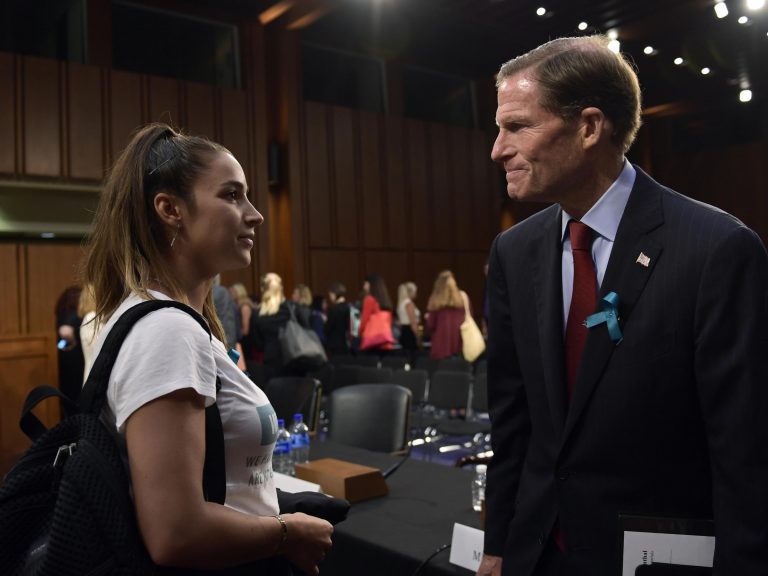
Olympic gold medalist Aly Raisman talks with Sen. Richard Blumenthal, D-Conn., following a 2018 Senate subcommittee hearing on keeping athletes safe from abuse. Photo: SUSAN WALSH / AP

By Daniel Etchells |

The United States Olympic and Paralympic Committee (USOPC) is facing an Act of Congress to help make sure the string of recent sex abuse scandals is not repeated.

A Senate Commerce subcommittee, led by Senators Jerry Moran and Richard Blumenthal, has introduced the bill to that effect today following a damning 18-month investigation which determined that the USOPC and various national governing bodies (NGBs) in Olympic sports essentially “turned a blind eye” to the scandals. 

This was especially the case with USA Gymnastics’ former team doctor Larry Nassar, who sexually abused more than 300 athletes over two decades.

If approved, the Empowering Olympic and Amateur Athletes Act of 2019, would mandate significant reform of the USOPC governance structure in three key areas.

Among them is increasing the legal liability for the USOPC and the 47 individual sport-specific governing bodies under its umbrella, such as USA Gymnastics, for incidents of sexual abuse by coaches and employees.

Additionally, the USOPC would be required to keep up a public list of all banned coaches, to ensure they are not simply re-hired elsewhere.

Furthermore, Congress would have the right and means to dissolve the ­USOPC’s Board of Directors if it finds that it is failing to fulfil its purposes as described in the Amateur Sports Act of 1978, as well as to decertify individual sports’ governing ­bodies for their failures.

Another key area is giving athletes a bigger voice in the governance of the USOPC and in their respective sports, with the representation of athletes on the Olympic Committee’s Board going up from one-fifth to one-third.

Athletes’ representation in each sport’s governing body would also rise to the same level, from one fifth to one third.

The third key area would be strengthening the US Center for SafeSport, a national non-profit organisation providing education, resources and training to promote respect and prevent abuse in sport.

The bill would require the USOPC to give the US Center for SafeSport $20 million in annual funding to do its work more effectively.

It would also need US Center for SafeSport to publish and maintain a publicly available website that includes a full list of individuals who are banned from the USOPC or a NGB.

“Larry Nassar was not a lone wolf,” Blumenthal was reported as saying by USA Today.

“He was enabled and emboldened by people in positions of trust who looked the other way in the face of this crushing, ongoing, vile evil.

“The institutions and individuals failed those athletes.

“We’re now at a moment of reckoning.”

Moran added: “No longer would the USOPC be able to say, ‘that’s an NGB issue’.

“It is now made clear they have oversight over those national governing bodies in these circumstances.”

Moran and Blumenthal last year asked the US Department of Justice to investigate whether former USOC chief executive Scott Blackmun, who was forced to resign in February 2018, lied in his Senate testimony about his handling of the Nassar scandal.

A report in 2018 stated Blackmun had been aware of the allegations against Nassar more than a year before they became public but did not act on that knowledge. 

A financial report recently revealed that Blackmun received a $2.4 million severance from the Board of the USOC, which changed its name last month to incorporate the Paralympic Movement.

“If there were any way for the US Olympic Committee to avoid this payment, they should have or should now make use of it, because it’s inexplicable and inexcusable,” Blumenthal was reported as saying by USA Today.

“Blackmun in effect was one of the poster boys for what went wrong here.”

Blackmun’s successor Sarah Hirshland said in a statement that the legislation put forward was consistent with the reforms the USOPC has already undertaken.

She added, however, that it raised an unspecified concern about “unintended consequences”.

“We applaud Congress for their continued work on this critically important issue,” Hirshland said.

“There are sections in the proposed legislation that, while conceptually appropriate, could result in unintended consequences and disruption for athletes in operational reality.

“We look forward to working with Senators Moran, Blumenthal and others in Congress to address these areas, make athletes more safe, and make Olympic and Paralympic organisations in the US as exceptional as the athletes they serve.”

USA Gymnastics President and chief executive Li Li Leung claimed in a statement that her organisation had also implemented many amendments the panel deemed necessary.

“We, as an organisation, not only have increased accountability to our membership, but also to the United States Olympic and Paralympic Committee and the US Center for SafeSport,” she said.

“We pledge to become a community of education, prevention and care, and acknowledge and accept that we need to and can do better for our athletes and the community as a whole.

“We admire the survivors’ courage and strength in sharing their stories, and our goal is to do everything we can to prevent the opportunity for it to happen again.”

Overhauling the structure of the USOPC Board to increase athlete representation and changing the general culture of the organisation were among the key recommendations made recently in the final report from the Athlete and NGB Engagement Commission.

The report from the group, known as the Borders Commission, was published earlier this month after it conducted a nine-month analysis of the USOPC following the series of scandals which have rocked sport in the US.

Republished with permission from insidethegames.biz.

Creatine-Strength Training Coupling: The Cornerstones of Functional Longevity

1
Creatine-Strength Training Coupling: The Cornerstones of Functional Longevity
Photo: https://dailyburn.com/life/fitness/best-strength-training-exercises/

By Brian Wallace, Ph.D., FACSM, CSCS |

Somewhere between the ages of 25 and 35 we reach the peak of our physiologic curve and then it hits us – the inexorable unwinding of our physiologic clock. Most noticeable is a loss of muscle mass (sarcopenia) and its functional correlate – muscle strength (dynapenia) ultimately leading to dysfunction and disability while producing an array of adverse metabolic changes further degrading our health and functional longevity.  

Strength training is universally accepted as the definitive strategy for enhancing lean body mass (LBM) in young, active adults and athletes and has also been shown to slow the onset of sarcopenia and dynapenia in older adults thereby maintaining functionality longer. However, there is much more that can be done including not only reducing the anabolic resistance associated with aging but also taking a closer look at the strategies athletes are using as well, not the least of which is creatine supplementation. Creatine is, arguably, the most extensively studied and effective OTC nutritional supplement used by athletes due to its impact on energy levels, strength, power, and LBM. Less well known, however, is the impact creatine has on us as we age. Ironically, the benefits of creatine may be even more pronounced suggesting the potential to significantly decrease morbidity and increase functional longevity. Indeed, creatine supplementation may have a number of clinical benefits.1

To appreciate how creatine can impact a wide spectrum of physiologic functions, you must first appreciate the critical function it has in energy production. Creatine is first and foremost known as an energy compound helping to sustain the production of our energy currency (ATP), thereby reloading the energy deficit at the core of many age-related disorders. It helps provide sufficient concentrations of high-energy phosphagens, especially those with markedly high energy use, e.g., the muscles, heart and brain. Creatine supplementation seems to have numerous putative physiological effects – impacting everything from cognitive decline to cardiovascular health to enhancing mitochondrial function.1 Mitochondria, known as the power house of the cell, are of course responsible for the production of energy. Aging, however, can ultimately lead to mitochondrialdysfunction and the subsequent accumulation of aging ‘wear and tear’ brownish pigments known as lipofuscin – a biomarker of internal aging related to oxidative stress, lower levels of energy production and eventually cell death. Creatine may lower the accumulation of lipofuscin suggesting it may in fact decelerate the rate of aging and may have a much greater role in physiologic signaling pathways than heretofore known. 

Though research regarding creatine’s impact on aging is in its nascent phase, current evidence regarding its effectiveness, coupled with its robust safety history, make it a first line supplement for aging adults to consider. After all, regardless of what future research unveils, creatine remains an effective OTC nutritional supplement for improving the top two biomarkers of aging: sarcopenia and dynapenia especially when coupled with weight training. Together they have a powerful synergistic impact on muscle function and LBM and so should be at the core of every “anti-aging” strategy. For more details on creatine, its effects, safety and use see this ISSN position stand and review:

1.    Kreider RB, et al.   International Society of Sports Nutrition position stand: safety and efficacy of creatine in exercise, sport, and medicine. Journal of the International Society of Sports Nutrition. Published 13 June 2017.

Dr. Brian Wallace is the chair of sports exercise science at the United States Sports Academy. 

Ellis Steps Down as USWNT Coach After Back-to-Back World Cup Titles

0
Ellis Steps Down as USWNT Coach After Back-to-Back World Cup Titles
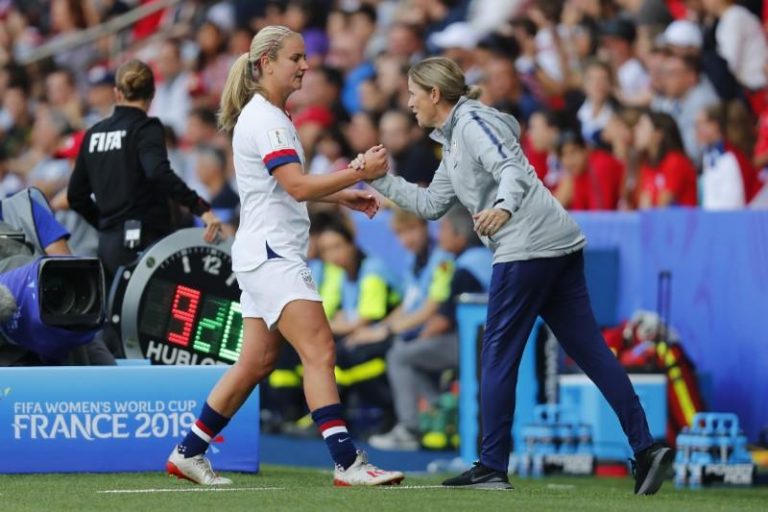
United States head coach Jill Ellis (right) reacts with United States midfielder Lindsey Horan (9) on the sidelines against Chile in group stage play during the FIFA Women's World Cup France 2019 at Parc des Princes. Photo: Michael Chow-USA TODAY Sports

By Matthew Smith |

Jill Ellis, the first female coach to win back to back FIFA World Cups, has announced she will step down from her role with the United States women’s national team.

The 52-year-old led the US to a fourth title in France last month having also guided them to victory in Canada in 2015, but says she will leave her post in October.

Ellis, appointed in May 2014, won 102 of her 127 matches in charge and was named the FIFA World Coach of the Year and CONCACAF (Confederation of North, Central American and Caribbean Association Football) Coach of the Year for Women’s Soccer in 2015.

“It has been an amazing ride,” the English-born Ellis said. 

“The timing of this is not just geared towards me on a personal level but also for the programme as it prepares to start a new cycle.”

Ellis added: “It just felt right, it felt good and I’m in a really good place with the decision.

“I firmly believe that this is not a job that someone should sit in for 10 years, I think change is good.

“A position like this shouldn’t be forever.”

US Soccer President Carlos Cordeiro said in a statement: “Jill was always extremely passionate about this team, analytical, tremendously focused and not afraid to make tough decisions while giving her players the freedom to play to their strengths.

“She helped raise the bar for women’s soccer in the USA and the world, and given the history of this program, the level of success she achieved is even more remarkable.”

Republished with permission from insidethegames.biz.